Process engineering for the DLE community
Technical articles on electrode control, brine chemistry, and extraction efficiency. Written by the engineers who build the control layer.

Electrochemical Selectivity in DLE: How Voltage Gradients Separate Lithium from Competing Cations
The Mg/Li selectivity challenge in direct lithium extraction comes down to electrode potential control during the intercalation phase. We examine how adaptive voltage gradients improve selectivity without sacrificing cycle throughput.
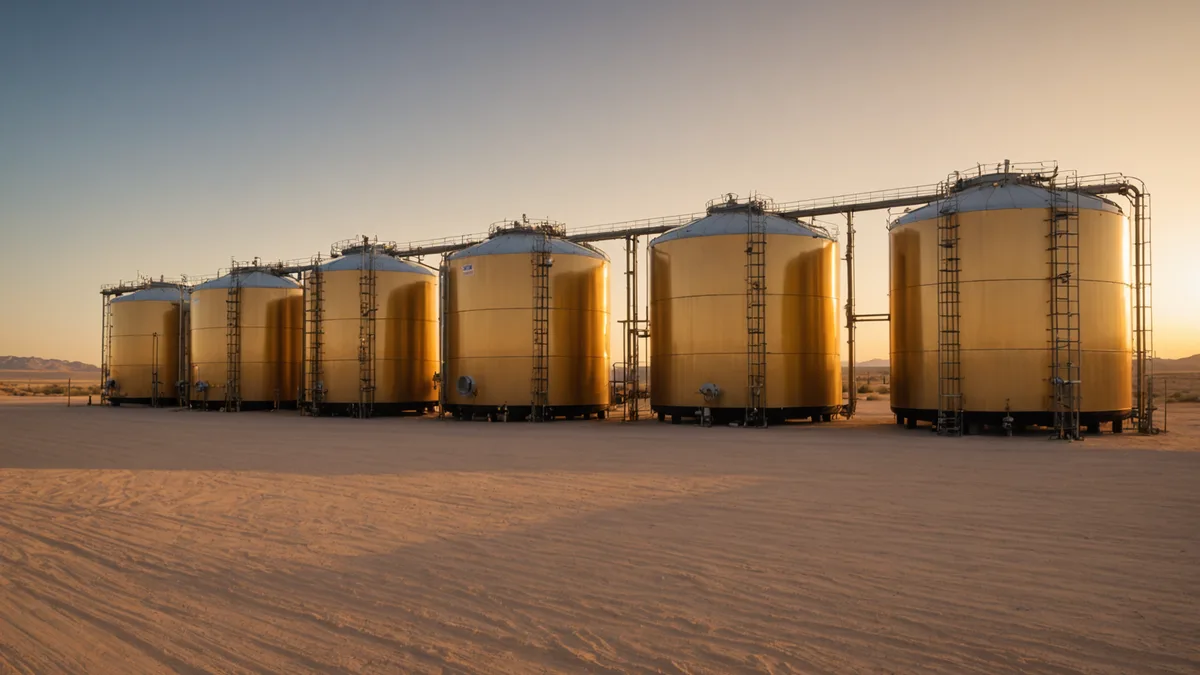
Lithium from Oilfield Produced Water: Process Control Challenges at Low Concentrations
Produced water streams from oil and gas operations contain lithium at concentrations that make fixed-setpoint DLE uneconomical. This post covers the control logic adjustments that make dilute brine extraction viable.
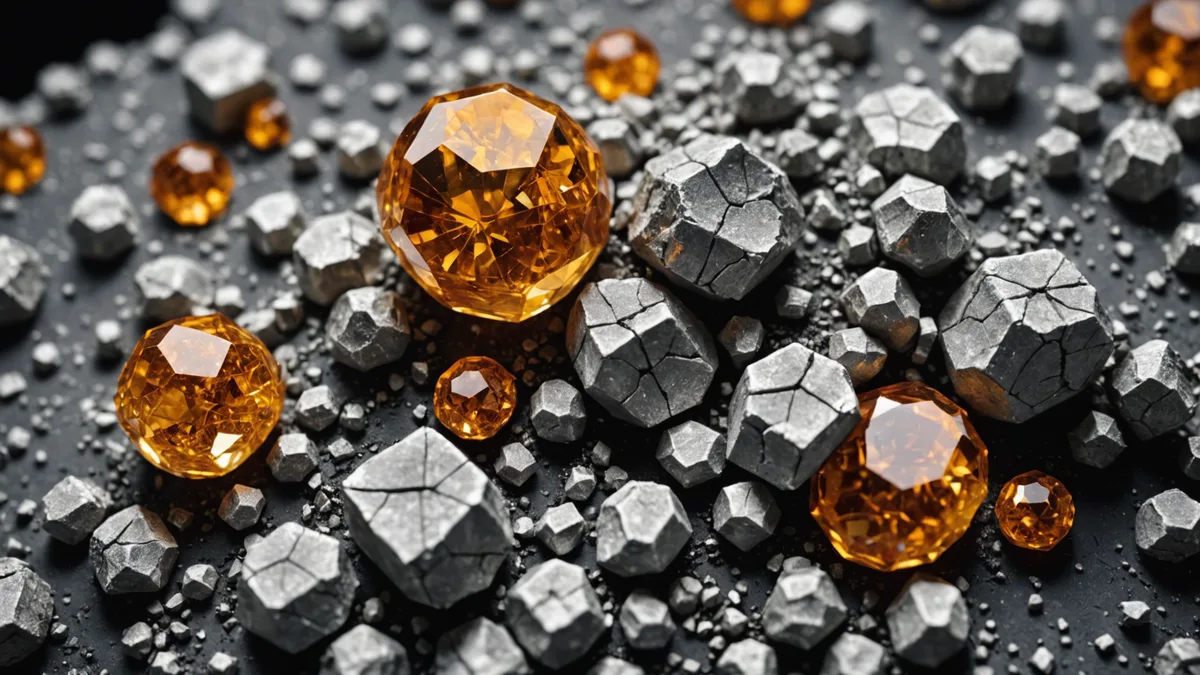
Modeling Electrode Fouling in Continuous DLE Operations
Silica and calcium carbonate deposition on intercalation electrode surfaces is the main cause of unplanned DLE shutdowns. We describe the fouling onset model we use to detect degradation before it affects recovery yield.
Recovery Rate vs. Purity in Electrochemical DLE: Managing the Control Layer Tradeoff
Pushing extraction efficiency toward 90% often compresses product purity margins. We explain the cycle optimization approach that holds both metrics within acceptable bounds across variable brine chemistry.
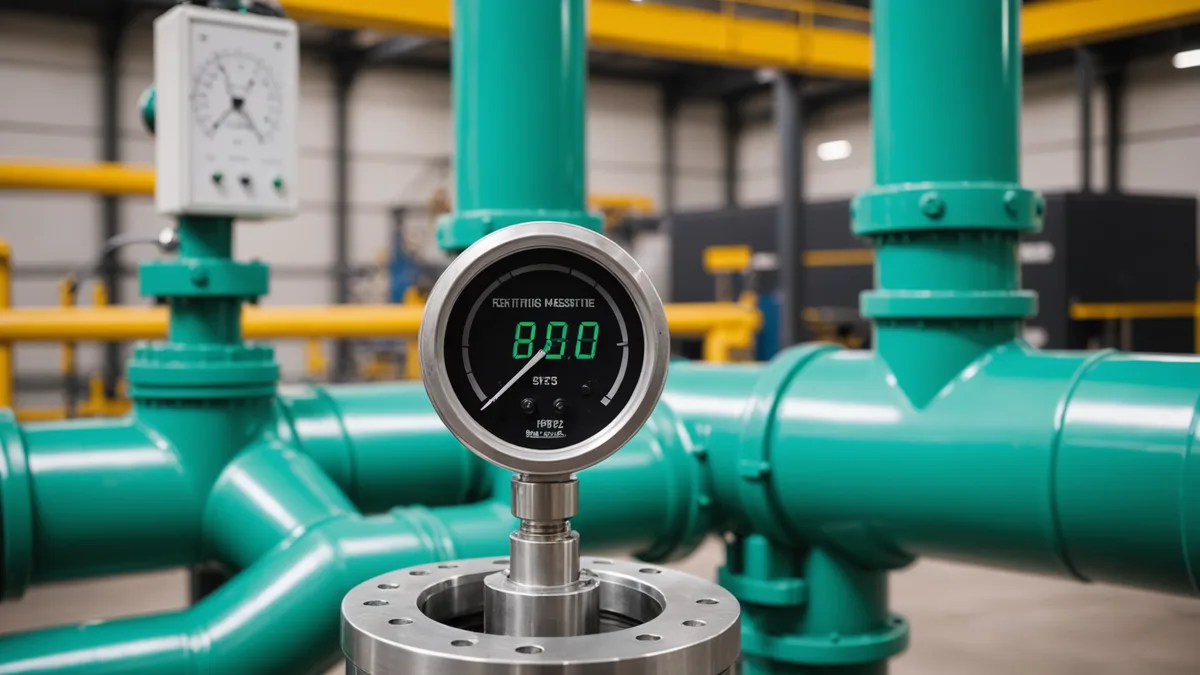
Using Process Data to Anticipate Brine Feed Variability Before It Reaches the Electrode Stack
Brine composition at the feed inlet is a leading indicator of what the electrode cycle will encounter 12 to 40 minutes later. A look at how upstream sensor data feeds our predictive control model.
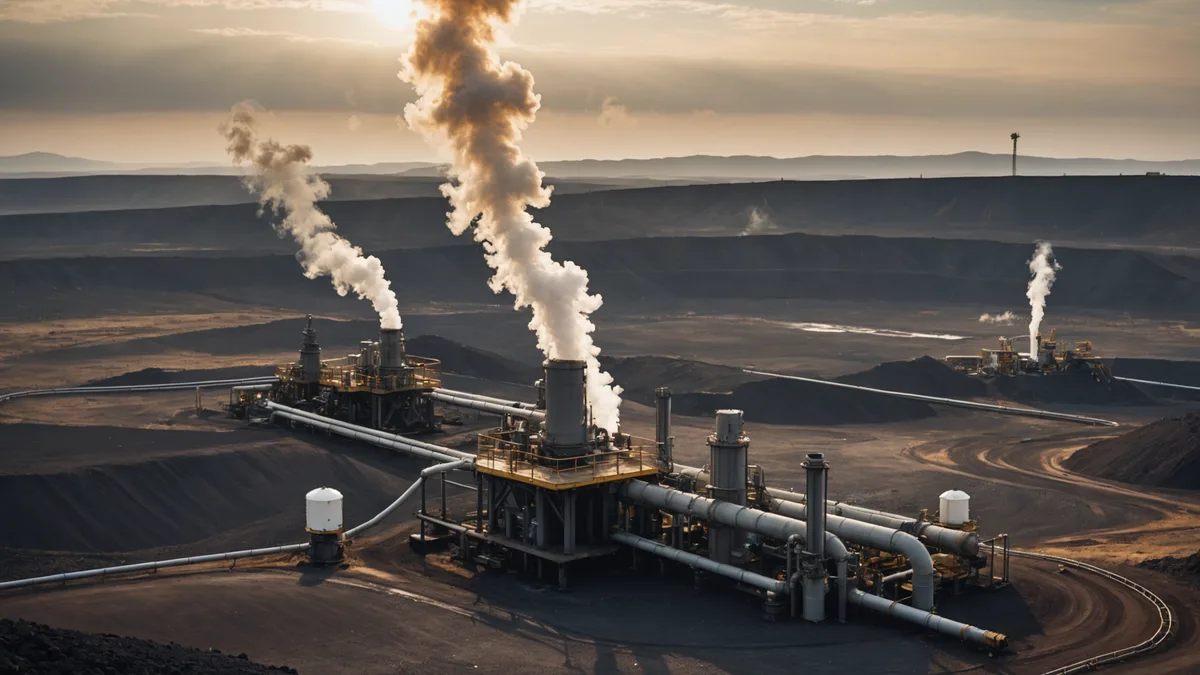
Geothermal Brine Composition and Its Effect on Intercalation Electrode Efficiency
Temperature, silica content, and boron concentration make geothermal brines a distinct operating environment for DLE electrodes. This post covers the specific control adjustments we apply for geothermal fluid feeds.
Closed-Loop Control for Electrochemical Cell Stacks: Moving Beyond Fixed Setpoints
Most DLE deployments still operate on commissioning-era setpoints. This post makes the case for continuous feedback control and describes the sensor-to-actuator loop that enables it.
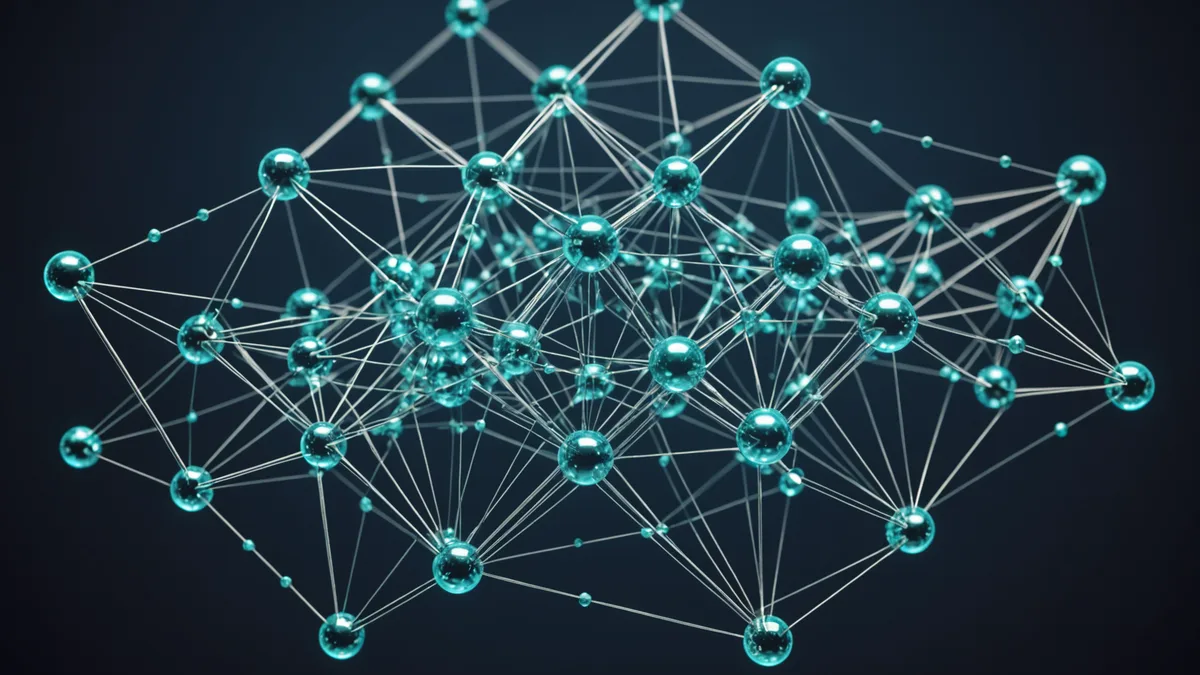
Li/Mg Selectivity in Intercalation Extraction Electrodes: What the Lattice Chemistry Tells Process Engineers
The thermodynamic basis for lithium selectivity over magnesium in lambda-MnO2 and similar intercalation materials has direct implications for how you set electrode potential windows. A process engineering perspective.
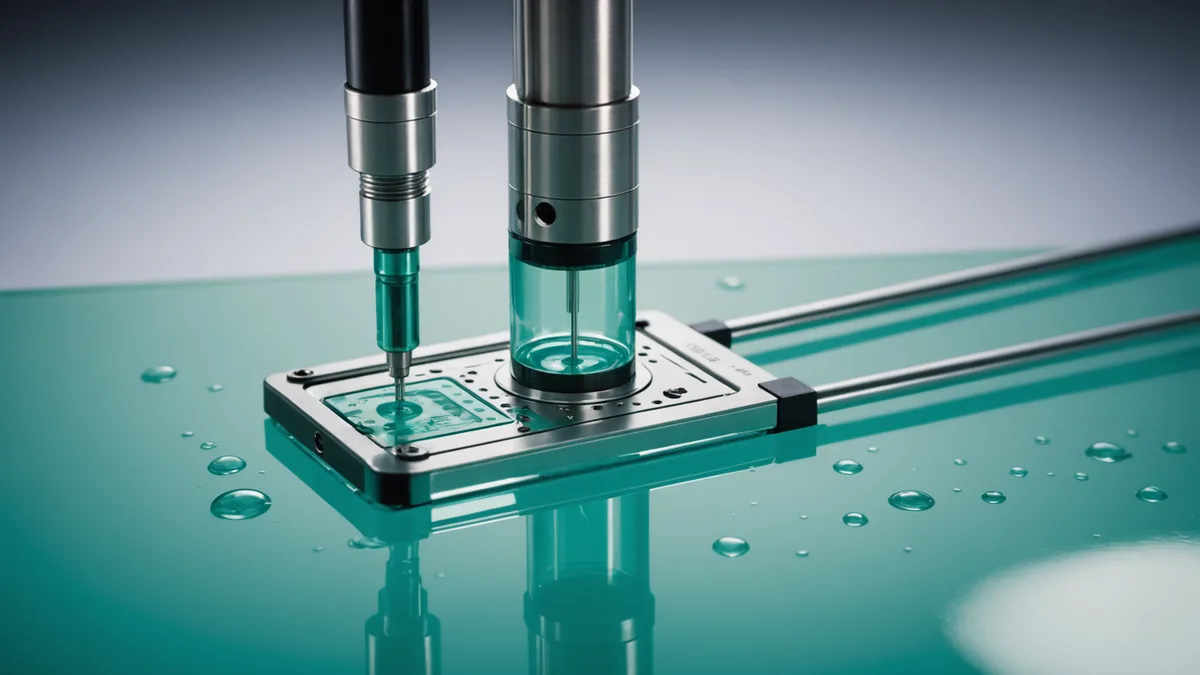
Real-Time Ionic Monitoring in Brine Processing: Sensor Selection and Placement for DLE Control
Ion-selective electrode sensors and inline conductivity probes serve different roles in a DLE monitoring stack. This post covers placement logic and the tradeoffs between sensor density and control loop latency.
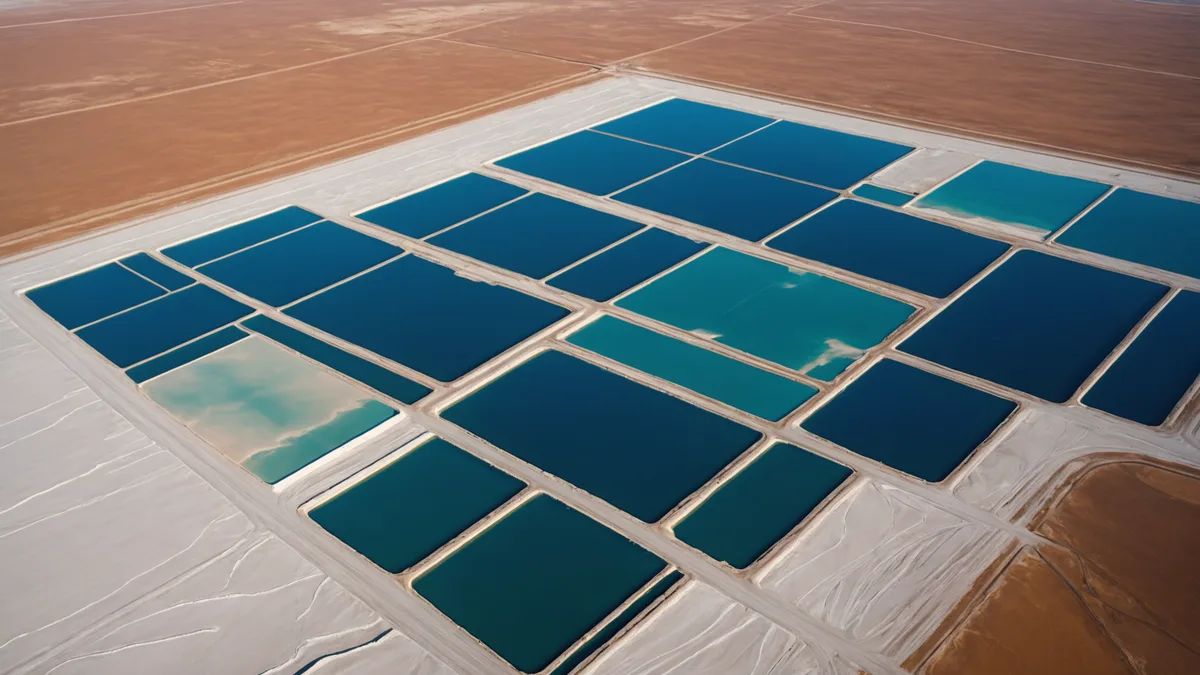
Process Engineering Beyond Evaporation Ponds: Why Electrochemical Extraction Needs a New Control Paradigm
Evaporation ponds operate on timescales of months. Electrochemical DLE operates on timescales of hours. The control frameworks borrowed from legacy lithium production are the wrong tool for the technology.
Get new articles when published
EELI process engineering updates, roughly once a month. No marketing content, only technical articles.