EELI for every brine source type
Continental salars, geothermal fluids, and produced water from oil and gas operations each present a distinct electrode control challenge. EELI's cycle optimizer adapts to each source type's chemistry rather than running one fixed strategy across all of them.
High lithium, variable selectivity window
Continental salar brines typically carry high lithium concentrations, but the Mg/Li molar ratio varies across the pond and shifts seasonally as recharge and evaporation patterns change. That ratio is the primary variable that determines whether the electrode can intercalate lithium selectively or picks up magnesium alongside it.
EELI monitors Mg2+ load at the feed inlet in real time and adjusts the intercalation potential to stay in the Li-selective window as composition changes. When the Mg/Li ratio rises above the electrode's neutral selectivity point, EELI narrows the potential to maintain product purity rather than accepting co-intercalation to push throughput.
Discuss a salar project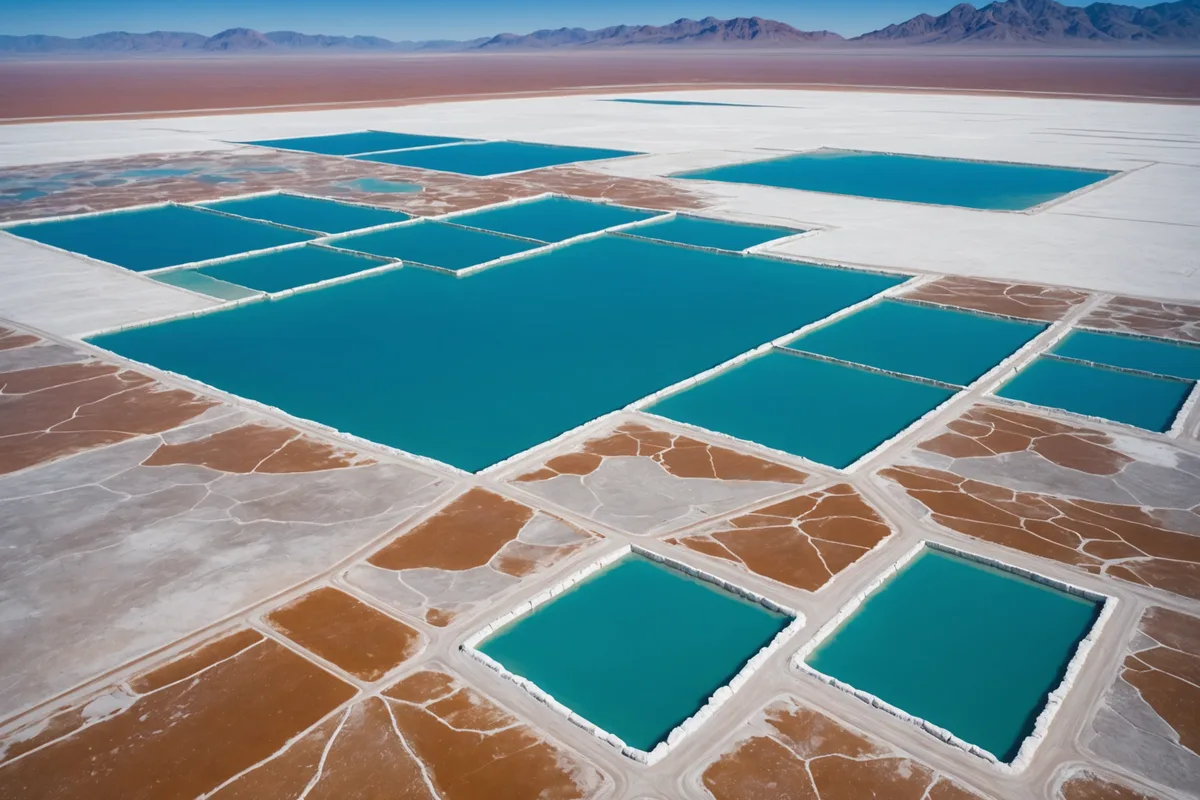
Temperature-compensated kinetics, silica fouling
Geothermal fluids present two control problems that fixed-setpoint systems handle poorly. First, inlet temperature affects intercalation kinetics: the electrode's peak efficiency potential shifts with temperature, so setpoints tuned at one temperature miss the optimum when fluid temperature changes across seasons or between wells.
Second, silica in geothermal fluids deposits on electrode surfaces faster than most other brine sources. EELI's fouling onset algorithm is tuned specifically for silica deposition signatures in the electrochemical impedance spectrum, detecting early-stage fouling before it degrades active area and triggering targeted rinse cycles rather than waiting for a scheduled maintenance window.
Discuss a geothermal project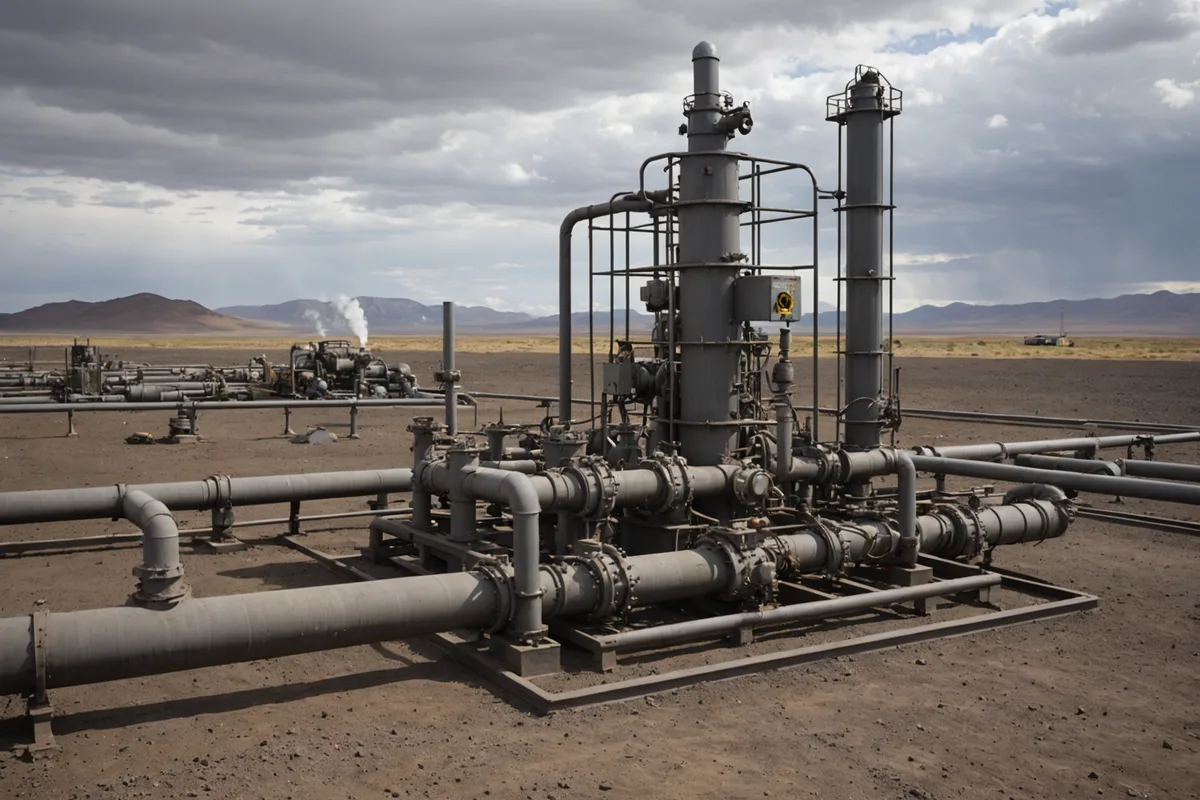
Dilute feed, competing cation load, variable flow
Produced water from oil and gas operations is the most electrochemically demanding feed for DLE: lithium concentrations are often a fraction of salar brine levels, while Na, K, Ca, and Mg concentrations are high. The electrode is competing for intercalation sites under unfavorable concentration ratios, and flow rates are tied to production schedules rather than lithium extraction optima.
EELI's dilute-brine mode runs slower cycle frequencies with deeper deintercalation phases to maximize the lithium yield per cycle on sparse feeds. The feed-forward model adjusts cycle timing when production flow rates change, maintaining extraction efficiency across the flow variability that characterizes operating oilfield brine streams.
Discuss a produced-water project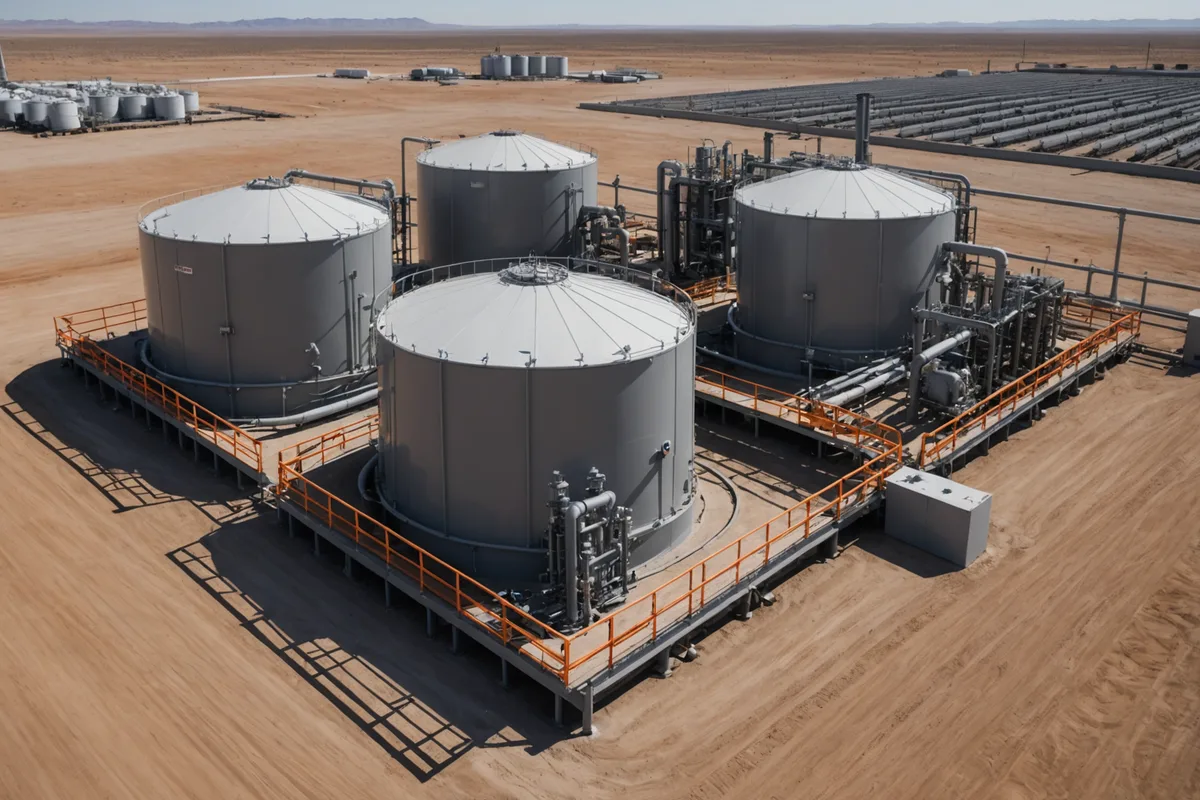
Brine chemistry by source type
Representative ranges from published field data. Actual values vary significantly within each source category. EELI's control parameters are tuned to your specific brine chemistry at commissioning.
| Characteristic | Continental Salar | Geothermal Fluid | Produced Water |
|---|---|---|---|
| Typical Li concentration (ppm) | 200 to 1,400 | 80 to 400 | 20 to 180 |
| Mg/Li molar ratio (typical range) | 2 to 40 | 0.5 to 8 | 15 to 150 |
| Inlet temperature range (C) | 5 to 35 | 40 to 120 | 20 to 80 |
| Flow variability | Low to moderate (seasonal) | Moderate (well-dependent) | High (production-schedule-driven) |
| Primary fouling risk | Calcium carbonate | Silica, boron co-adsorption | Organic co-precipitation |
| Primary control challenge | Seasonal Mg/Li selectivity | Kinetics shift with temperature | Dilute yield maximization |
Tell us about your brine source
We review your brine chemistry profile and describe how EELI's control configuration would address your specific source type. No generic demo scenario, no undisclosed assumptions.